
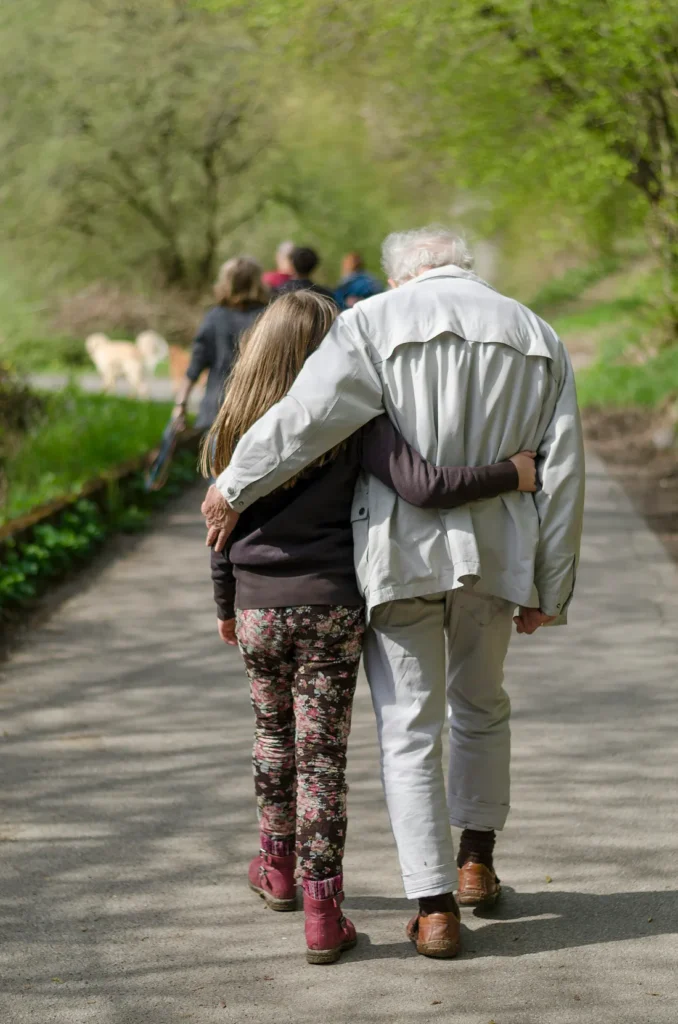
Aging in place allows loved ones to maintain a portion of independence and familiarity with their safe environment. It has also been reported to improve their mental health and their overall well-being. As we can imagine, getting older can create feelings of life-changing circumstances and often create feelings of depression and anxiety. Helping loved ones stay in their familiar environment, where routines are regular, can benefit loved ones and the caregiver. Let’s share some explanations of why aging in place matters.
Explanations: Aging In Place Matters
Peace of Mind: Nothing compares to knowing your loved one is happily at home. While peace of mind is important, the home environment must also be safe and secure. I emphasize safety because the home is the top place where accidents and injuries happen. Make sure there is proper lighting, furniture is well spaced, and, if stairs are present, they are clutter-free. If necessary, simple modifications can be crucial for reducing fall risks and making daily life easier.
Control Over Their Aging Process
Most elders want control over their aging process. While they have to give up some independence, it feels different when you are in your own home. Routines they have practiced for years can continue. We have also seen our elders hold on to a lot of stuff, and they have special places for it. At home, they can continue to control their stuff.
Networks to Family and Friends
Remaining at home provides a sense of closeness to family and friends. Maintaining relationships with family and neighbors can help reduce uncertainty and anxiety. Staying connected to friends, family, and familiar surroundings is fundamental for mental wellness and reduces the risk of depression.
Technology and Social Bonds
Some loved ones can enjoy some technology. Consider medical alert systems, and some homes may benefit from home devices like live security systems and automatic lights that turn on and off. Doorbells that provide video options are great, too. A word of caution: technology should not replace the human connection. Our elderly loved ones need touch and interaction.
As Your Proactive Caregiver Advocate, by planning proactively, caregivers and family Members can respect their loved ones’ wishes to stay at home and ensure their safety by monitoring the environment, so loved ones can enjoy their home for as long as possible. Safe! Be Well!
Dr. Cynthia J. Hickman is a retired registered nurse and case manager who serves as the CEO of Your Proactive Caregiver Advocate. She is excited to share her latest book, The Essential Caregiver Training Course for Corporations and Community. Her previous work, From the Lens of a Daughter, Nurse, and Caregiver: A Journey of Duty and Honor, and The Black Book of Important Information for Caregivers, reflects her experiences and insights from her heartfelt caregiving journey.