
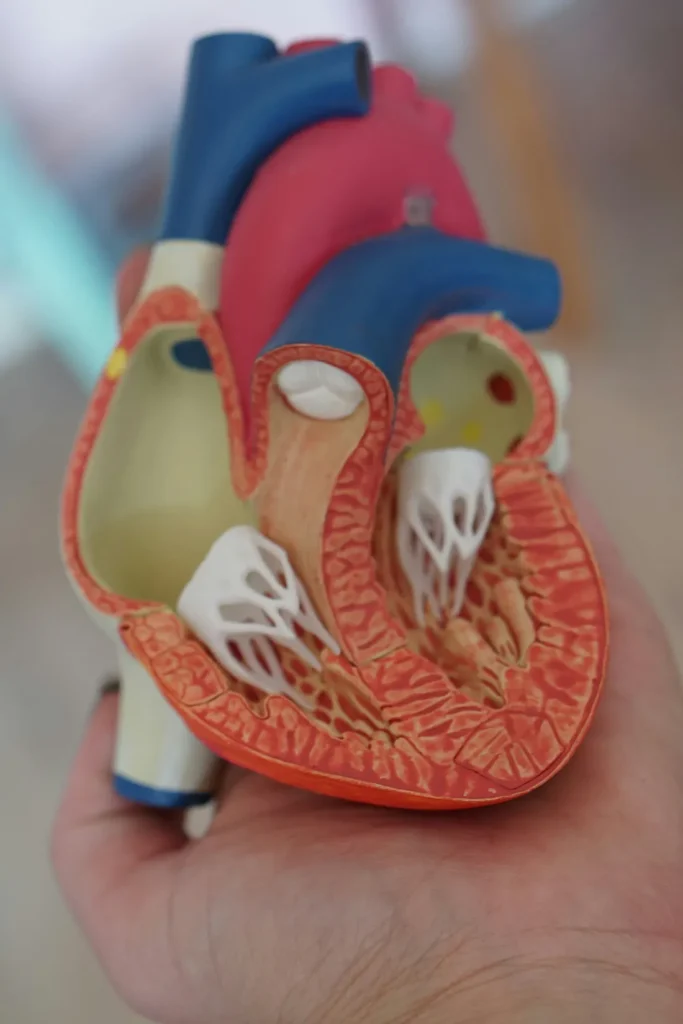
Cardiovascular disease is a broad medical term for a range of conditions affecting the heart and blood vessels. As we continue to highlight Heart Health Month in February, I would like to focus on a specific heart condition. Myocardial infarction (heart attack) occurs more often than we like to think. Not only do younger people have heart attacks, but older adults also have them. Understanding the required care, especially after a hospitalization, is pivotal. But, before we do, how did we get here? Let us touch on genetics and lifestyle.
Genetics
Genetics and lifestyles play a role in having a heart attack. Genetics is the one thing we cannot control, so I will not spend much time discussing it. I encourage you to learn about the health issues in your family tree. Why is this important? While we cannot change health issues that result from genetics, understanding existing health conditions helps us be mindful that you may also face heart problems.
Lifestyles
Lifestyle actions and behaviors are controllable. How we care for ourselves and others matters. Nutritional health, exercise habits, stress, and how much rest we get can all be managed through personal decisions. It is vital to note that myocardial infarction (heart attacks) remains a leading cause of death in the United States. Within the Black community, the burden is disproportionately high due to a combination of factors.
Risk Factors
Several risk factors contribute to the increased incidence of heart attacks among African Americans. Hypertension, diabetes, and obesity are more prevalent in this population, often resulting from limited access to healthy foods, safe environments for exercise, and quality healthcare. Additionally, income, education, and racism play a role in shaping health outcomes.
Promoting Heart Health
Awareness and early detection are critical. Symptoms of heart attacks can vary and may be ignored, leading to late treatment. Community programs and improved healthcare access can help increase knowledge and care. Empowering African American families with information about heart health, recognizing warning signs, and adopting healthy lifestyle habits are key takeaways.
Common Warning Signs
· Chest discomfort is described as pressure, squeezing, or fullness on the left side of the chest that lasts more than a few minutes or comes and goes.
· Pain that radiates to the jaw, neck, back, or one or both arms and shoulders.
· Difficulty breathing may occur with or without chest pain.
· Suddenly breaking into a sweat for no apparent reason.
· Lightheadedness, feeling sick to your stomach, vomiting, dizziness/fainting.
· Unusual or extreme fatigue (sometimes days or weeks in advance).
· A sense of impending doom or intense anxiety.
Do not hesitate to seek medical attention if experiencing any of these symptoms. Call 911 immediately!
As Your Proactive Caregiver Advocate, tackling myocardial infarction (heart attacks) in the African American community requires a mindful and cultural approach. By addressing genetics, lifestyle, and risk factors, we can reduce disparities and improve overall health. Be Safe! Be Well!
Dr. Cynthia J. Hickman is a retired registered nurse and case manager who serves as the CEO of Your Proactive Caregiver Advocate. She is excited to share her latest book, The Essential Caregiver Training Course for Corporations and Community. Her previous work, From the Lens of a Daughter, Nurse, and Caregiver: A Journey of Duty and Honor, and The Black Book of Important Information for Caregivers, reflects her experiences and insights from her heartfelt caregiving journey.