
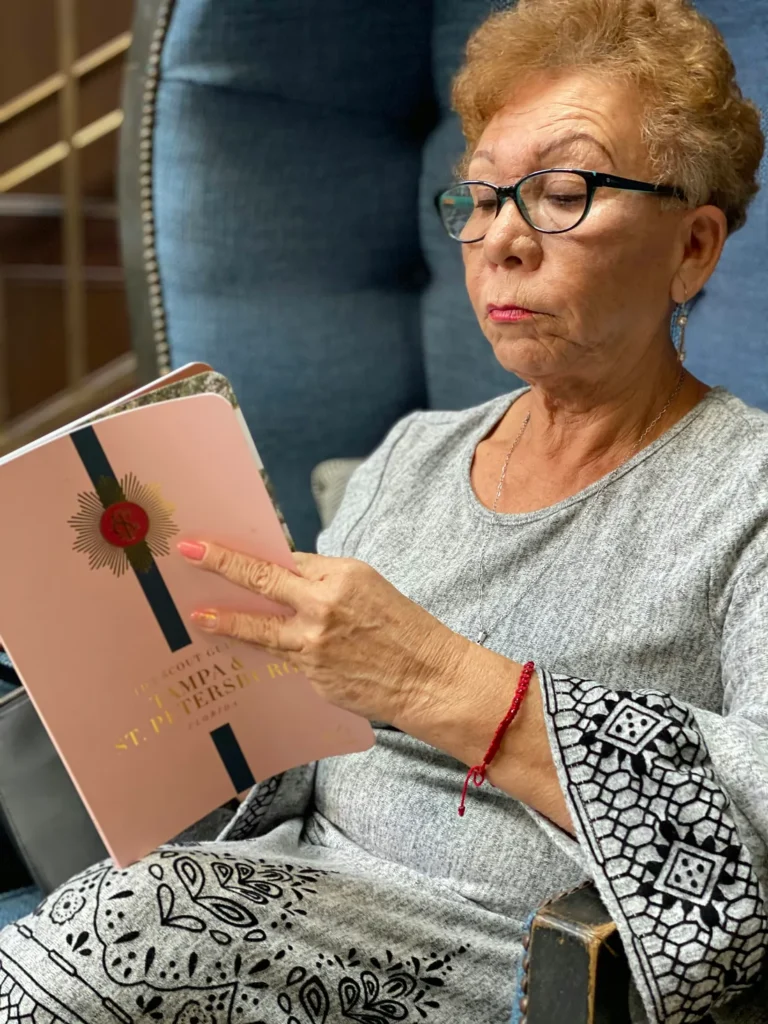
The concern for the safety of our loved ones is one of the most significant discussions that must be had! The aging of loved ones is a reality; often overlooked until a situation presents itself, opening the eyes of family. Transitioning from home to assisted living involves recognizing when safety or care needs exceed what home can provide. Aging changes our bodies. Aging affects limb movement. Our capacity to organize and manage our affairs changes. Our memory declines. Frequent falls. Hearing diminishes. Visions change. Noticeable neglect in personal hygiene, grooming, or nutrition. We often hear that change is good, but as we know, change is difficult, unsettling, and at times challenging. It is much more challenging when the decision must be made to move from home into an assisted living arrangement. Let’s talk about why this decision is necessary.
Family Input
It is always helpful when loved ones and family come together to discuss the need for change. The loss of a spouse or significant other, living in a two-story home, and the inability to make sound decisions about health matters and business issues are some of the reasons to consider assisted living arrangements. Finding someone and some place you can trust and feel safe requires interviews and visits to locations that are being considered. Next, downsizing and packing away memories requires time for emotional adjustment. Many elders live in their home for 40 or 50 years. Imagine the stress of planning for such a move. If empathy was ever needed, it is at a time like when loved ones are reorganizing the new life before them. When the writing is on the wall is clear that a decision is needed; planning proactively can reduce some of the stress associated with the new norm a loved one must face.
Selecting The Right Community
Selecting the right community requires you to assess the level of care your loved one needs. This is the first order of business. There are layers of assistance. Ensure the community offers a balance of independence and standby assistance, while supporting activities of daily living (bathing, dressing, meals). Put your eyes and ears to work. Cleanliness is king! Meet the chef. Sample meals. Compare cost and amenities from community to community. Visit during the day and evening. Understand what you are paying for and what is not covered. For example, based on the level of care, you may still be required to manage your medication, doctor appointments, and vision and dental appointments. Some communities provide transportation and laundry services, but ask to be sure.
Socialization Programs
Loved ones thrive when they remain active. Programs that address everyday living are helpful. Socializing with others in the community helps with settling into their new home. Fun activities help with depression and anxiety. Over time, new friendships will form, and loved ones will feel better about their new home.
As Your Proactive Caregiver Advocate, be it ever so humble, there’s no place like home. For loved ones who must move on, our role as caregivers and family is to support them on the journey of change. They are moving away from countless memories, and it can be difficult. They filled their homes with things they enjoyed and with belongings that remind them of the good times in life. Extend grace, encouragement, and empathy. Be Safe! Be Well!