
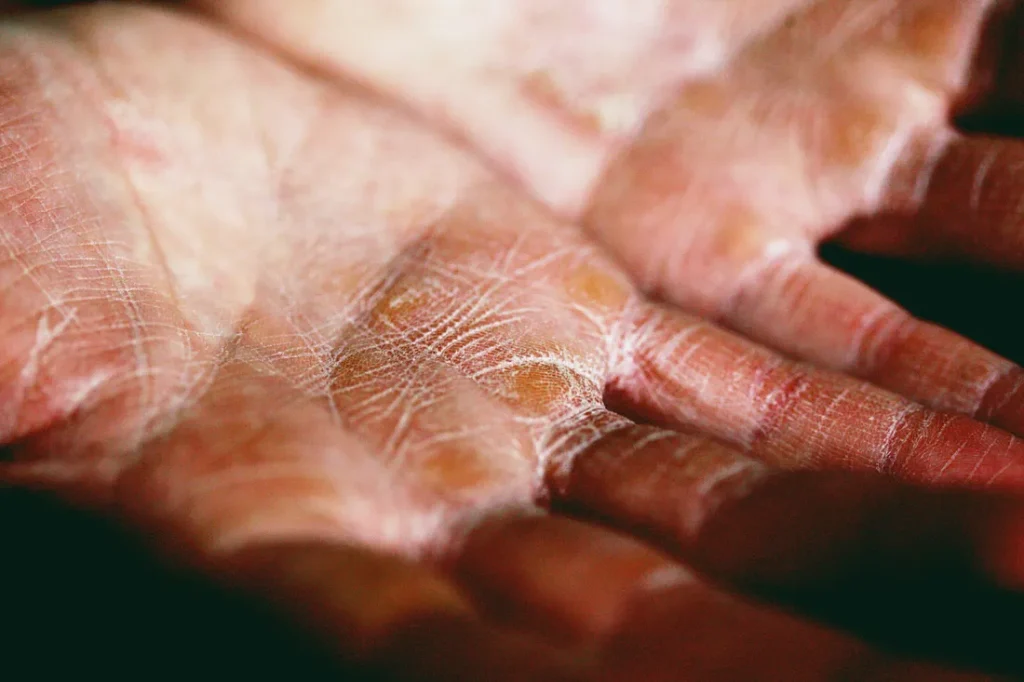
As we get older, so does our skin. The skin, also called the epidermis, is the outermost layer of the body. We think in detail about our skin when we are young and self-sufficient. However, as caregivers responsible for others’ care, we must think about detailed skincare practices for the elderly. It requires daily observation, regardless of where the caregiving is being provided. This is profoundly important, especially if the care recipient sits for long periods or is bedridden. As the largest organ of the human system, if not accurately assessed, real problems can materialize. Our skin helps to regulate body temperature. It is our sensory alert system for the environment and protection for the body from disease.
Our loved ones’ skin care requires thoughtful habits. Older skin gets thin, dry, and fragile. The goals are to stop dryness, protect the skin barrier, and prevent injuries. Tears or bruises are common in aging skin. During hot weather, skin can take a hit. Taking care of our protective covering is necessary, and more so as we age. Skin that becomes red, dry, itchy, scaly, blotched, moles, greasy, discolored, extra thin, or loose(inelastic) should be assessed. If the care recipient has a chronic condition that could impact skin health (i.e., diabetes, renal disease, taking water pills), it is vital to do daily skin assessments. Also, keep in mind that environmental and climate factors can trigger skin problems and changes.
Did you know your skin’s appearance can tell if someone is a smoker (this nugget is free)?
Weather, soaps, or lotions that are used may be the cause of any of these conditions. If you ever have questions or concerns regarding any skin problem, consulting a dermatologist to diagnose and treat skin conditions is your proactive responsibility.
As Your Proactive Caregiver Advocate, your role is to pay attention to the skin of your loved one. Start at the head and finish under the bottom of the feet. Look under every flap. Look between fingers and toes. Look behind ears, in ears, on the nose, up the nose, and pay attention to the eyelids and, finally, open and close splits (get my drift…LOL). Paying attention to our body regulator and our sensory alert system can ward off potential problems. No matter your situation, skin care is a part of the caregiving journey. Pay attention!
Dr. Cynthia J. Hickman is a retired registered nurse and case manager who serves as the CEO of Your Proactive Caregiver Advocate. Her latest book, The Essential Caregiver Training Course for Corporations and Communities, is available to employers. Her previous work, From the Lens of a Daughter, Nurse, and Caregiver: A Journey of Duty and Honor, and The Black Book of Important Information for Caregivers, reflects her experiences and insights from her heartfelt caregiving journey.